


Master the Craft: Smoking the Perfect Brisket, from a Pitmaster’s Perspective
I’ve been smoking briskets for over twenty years, and believe me, it’s both a science and an art. Ignore the gimmicks and shortcuts; authentic Texas-style brisket calls for patience, expertise, and passion. This isn’t about simply cooking meat; it’s about respecting the craft.
Let’s break down how you can craft a brisket that will have people clamoring for seconds.
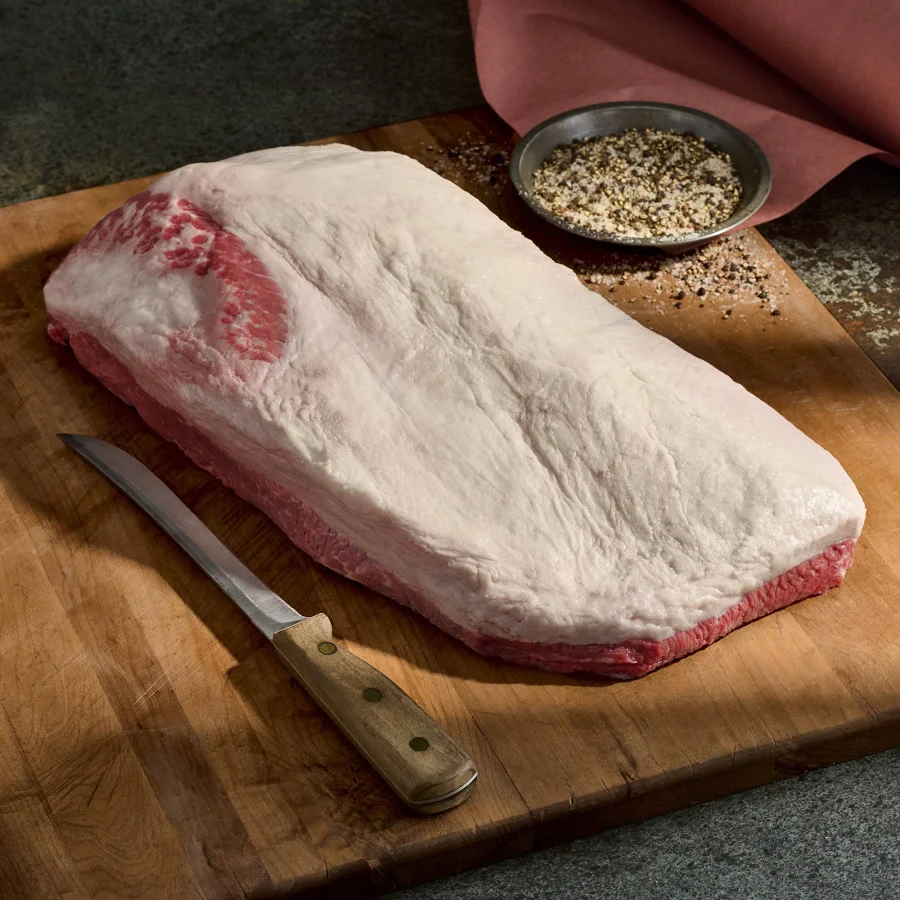
The Selection: It All Starts with the Right Brisket
Your first job is at the butcher’s. Don’t just grab the first hunk of beef you see. You need to be selective.
I’ve smoked everything from USDA Select to full-blooded Wagyu. For my taste, a choice or prime, whole packer brisket delivers the quintessential Texas experience. A full packer includes both the point and flat, essential for that perfect contrast in texture and flavor.
Choose Wisely:
- Size: Aim for a 12-14 pounder. It’s the Goldilocks zone – not so small it dries out, and not so big you’re babysitting the smoker for two days.
- Feel: Lift it. The brisket should be firm, not floppy. That firmness signals solid muscle structure.
- Marbling: Look for thin flecks of fat throughout the meat, not big chunks. Marbling creates juicy tenderness, especially for the flat, which is leaner.
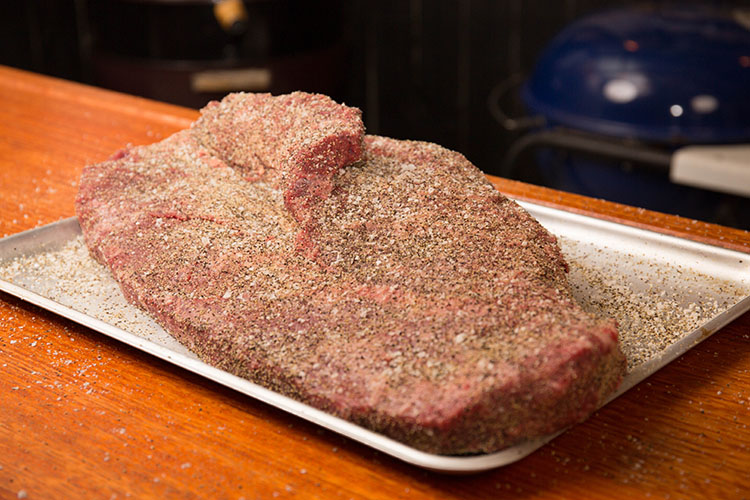
The Preparation: Respect the Brisket Rub
You’ve got your meat. Now, don’t go getting fancy. True Texas brisket doesn’t need a fancy marinade or injectables. You are the pitmaster, and you want the beef flavor to shine, not your rub.
My method is a basic 2-to-1 ratio of coarse-ground black pepper to coarse kosher salt. Pepper lays the flavor foundation and forms that signature bark. Salt, as always, amplifies flavor.
Get It Ready:
- Trim, Don’t Hack: Trim the fat cap to a quarter-inch. Too thin and the flat dries out; too thick and fat won’t render, resulting in greasy meat. Remove the silver skin from the underside and cut away any dense, hard fat, especially at the point.
- Apply Your Rub: Coat it thoroughly. Don’t hesitate. Use a light binder, like yellow mustard, or a splash of water—just enough to help the rub adhere. Cover every surface, pressing the rub in to form a legendary bark.
- Rest It: Let that brisket rest on the counter for at least an hour before putting it in the smoker. This lets the salt work its way into the meat, and the rub really sets. A cold brisket in a hot smoker is a recipe for condensation and an uneven cook.
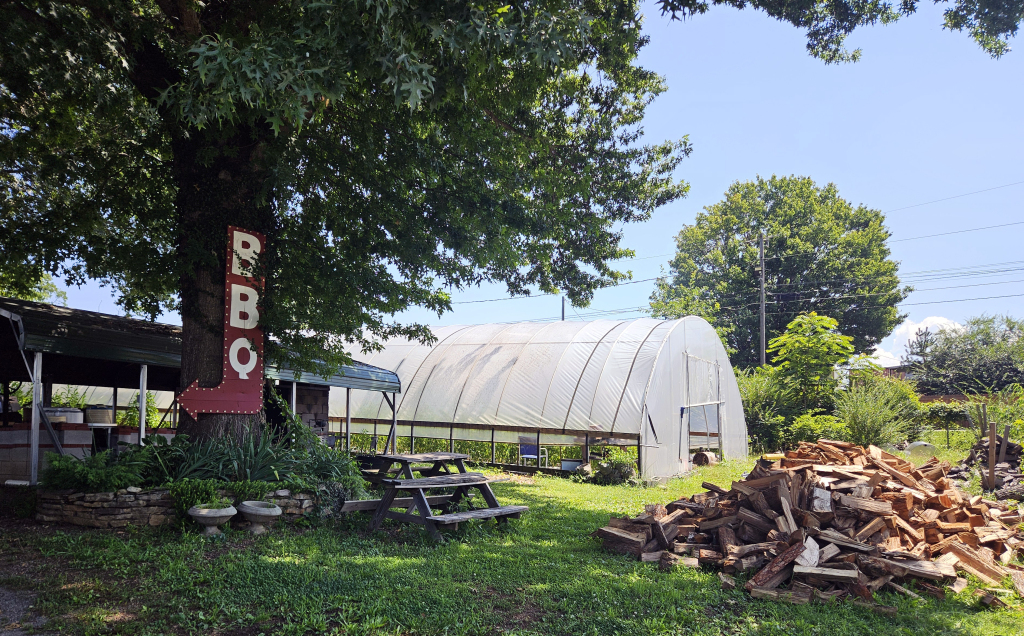
The Best Wood for the Job: Choose Your Flavor Profile
For brisket, you need a wood that endures the long cook and delivers a strong, classic flavor. You are creating smoke, not just fire.
My Top Picks:
- Oak (Post Oak): The benchmark for Texas brisket. It delivers a clean, classic smoke flavor without masking the meat. Always reliable and consistent.
- Pecan: Delivers a sweeter, nutty flavor. An excellent and popular alternative.
- Hickory: More aggressive than oak or pecan. It gives the meat a stronger, more bacony flavor. Be careful; it’s easy to overdo it and end up with bitter meat.
- Mesquite: The strongest wood of them all. I reserve it for quick cooks. A 12-hour brisket can overpower the beef. Use sparingly, or better yet, skip it for this purpose.
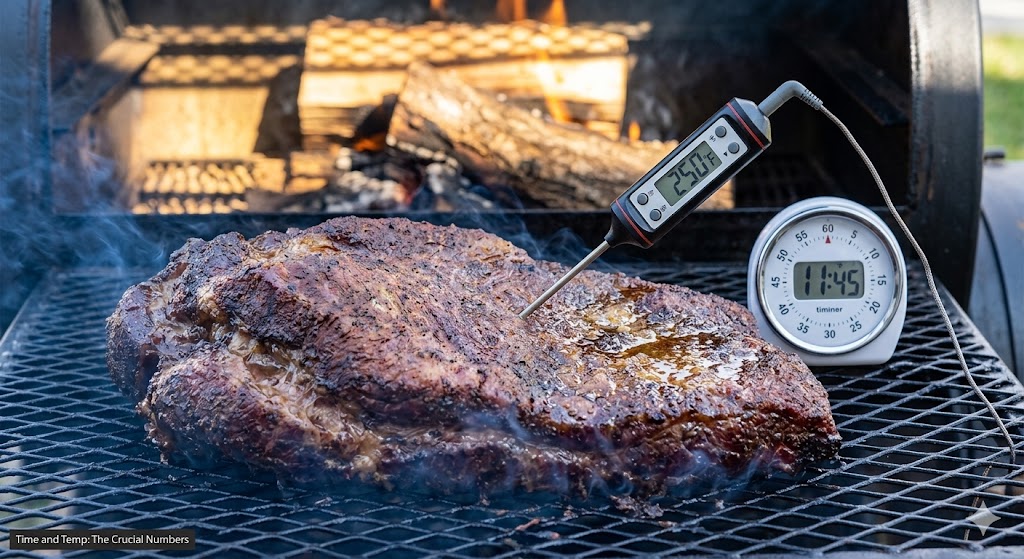
Times and Temperatures: The Crucial Numbers
Now, you’re at the pit. It’s your fire and your cook. Stabilize the smoker at a clean 250 degrees Fahrenheit. Consistency is fundamental. More briskets fail from temperature swings than from a few degrees off target.
The Method:
- Placement is Critical: When positioning your brisket, choose fat side up or down. Fat side up allows the rendered fat to baste the meat. I prefer fat side up, but have achieved excellent results both ways. Ultimately, focus on maintaining even heat and producing clean, thin blue smoke.
- The Wait: A 12-14 pound packer typically smokes for an hour to one hour and fifteen minutes per pound. This is a patient’s craft. Savor it.
- The Crutch is Not a Crutch: At 165-170 degrees, your brisket will “stall” as surface evaporation equals smoker heat. You can wait it out, which takes longer and can dry the meat, or use “the Texas Crutch”: wrap the brisket. I like butcher paper because it helps develop the bark, traps steam, speeds up the cook, and keeps it tender. Foil works too, but can make the bark mushy. I wrap it tightly and return it, pointing to the firebox.
- The Doneness Decider: Don’t obsessively probe for temperature. A reading of 203-205 is a guideline, but the true test is “probe tender.” Insert your probe; there should be no resistance. Rely on feel, not only numbers. If it glides in like warm butter, it’s ready.
No Glazes: Let the Brisket and Smoke be the Stars
Forget glazes and sauces. The perfect brisket stands on its own. Highlight your skill, the beef’s flavor, and the smoke. Glazes risk a burnt crust and obscure the profile you built. Let the black-pepper bark and smoke shine. Let your fire speak.
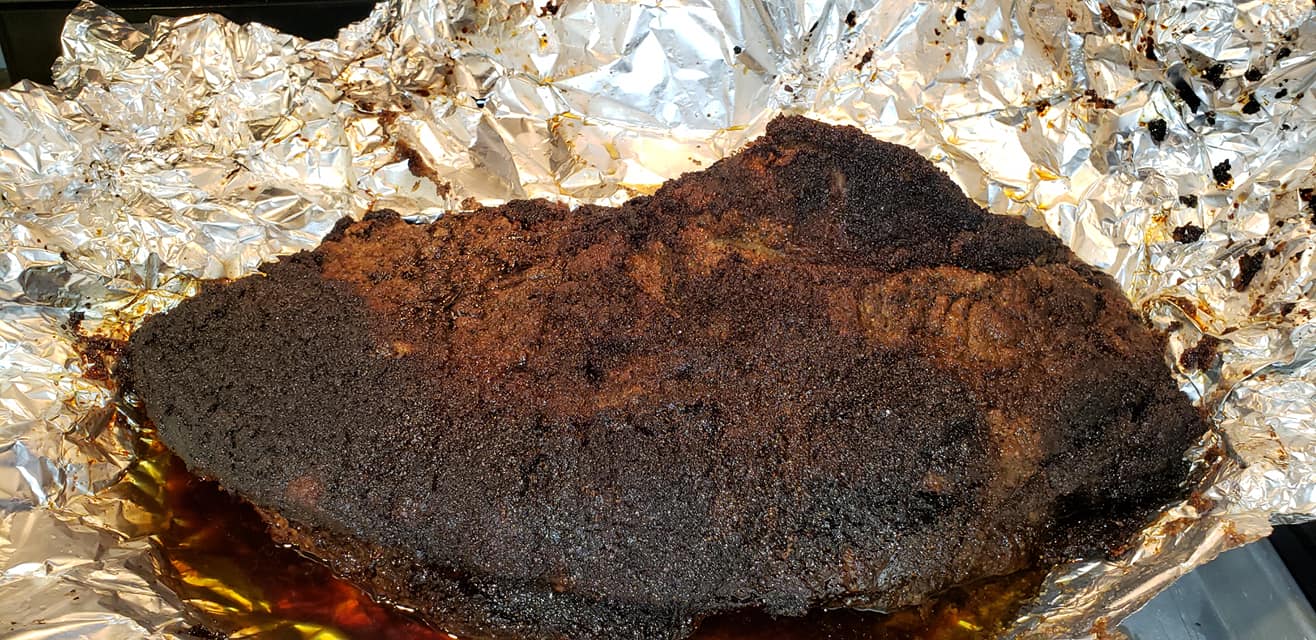
The Finale: The Rest is as Important as the Cook
Don’t touch that knife yet! You’ve invested time. You’ve managed the fire. Earn this last, vital step.
Place the wrapped brisket in an empty cooler and close the lid. Rest it for at least an hour—two is better. As it rests, muscle fibers relax, juices redistribute, and the meat becomes absurdly tender. Slice too soon, and you’ll lose precious juices on the board. That’s a shame.
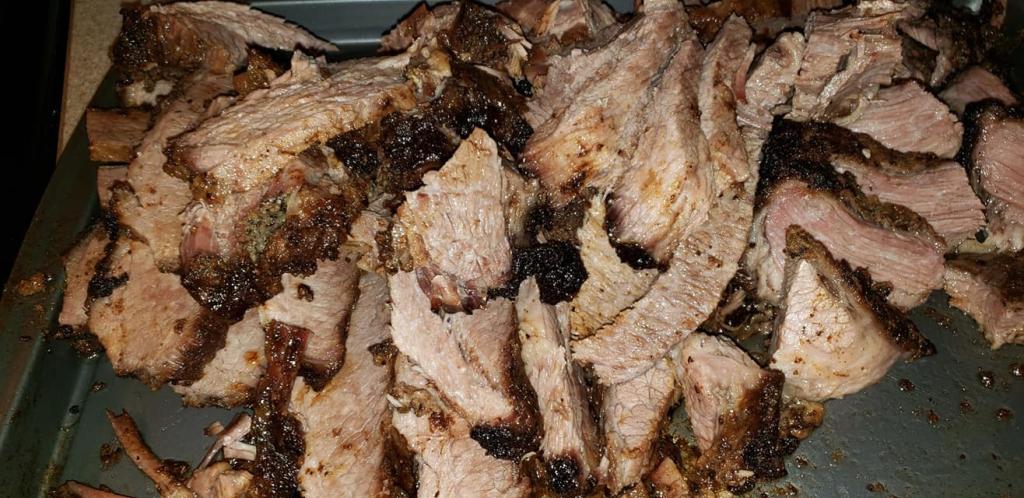
Slice with Purpose
When you finally remove that mahogany-dark beef from the cooler and unwrap it, you’re holding the product of your skill and patience. Place it on a clean board and align your cuts. Slice against the grain.
Start with the flat. Rotate your brisket precisely 90 degrees at the point, then slice cleanly against the grain there as well. The point is a richer, more decadent cut, while the flat remains lean. A properly cooked and rested brisket yields thin, perfect slices, a distinct smoke ring, and melt-in-your-mouth tenderness.
You’ve done it. Share a piece of Texas barbecue tradition, crafted by your own hand and fire. You have completed the long, gratifying journey to brisket perfection. Relish every bite.
